How to Trace a Local Proposal from Submission to Decision
Trace a local proposal from submission to decision, identify who owns its next step and know which official record to check before drawing conclusions.

To trace a local proposal, identify its latest official status and who is responsible for the next action. A suggestion sent to a council may be awaiting assessment, referred to another body or formally decided; those stages call for different follow-up.
Local councils and other public bodies use different procedures. Rather than assume that a meeting or a published paper settled the matter, follow the record for this proposal and check what action it authorises.
What counts as a submission?
A proposal is an idea put forward for consideration. It might arrive as a resident’s email, a petition, a councillor’s motion or a service team’s report. Being received does not necessarily mean it has been accepted as a formal agenda item or assigned to a decision-maker.
Look for an acknowledgement, reference number or named contact. If none appears, ask which submission route applies and whether the proposal has been logged. Some bodies require a form, a sponsor or delivery by a deadline; the relevant organisation can explain its own requirements.
How can you tell what happened after submission?
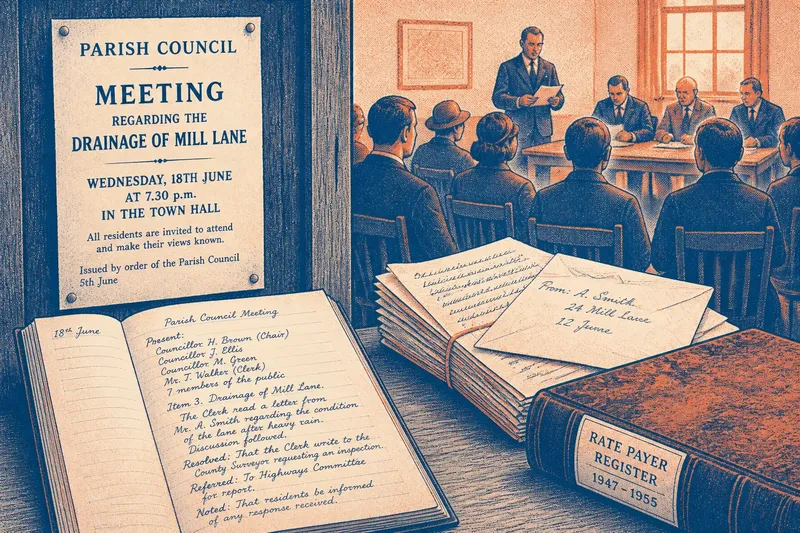
Follow the item through dated records, noting the document and the action it describes. An agenda paper can explain the options, while approved minutes or a decision notice may record the outcome. If a service change was made under delegated authority, the decision may appear in a separate notice rather than as a meeting vote.
Pay attention to the action words, but read them in context. “Received” or “noted” may mean information was logged; “requested” can assign further work; “recommended” may send an option to another decision-maker; and “resolved” may record a formal outcome. The body’s procedures determine the exact effect.
Keep a simple record of the date, document title, status wording, named owner and stated next action. This makes it easier to spot whether the latest update supersedes an earlier paper and to ask a focused question if the trail stops.
What if the proposal is revised or passed on?
A proposal may change after staff assess responsibilities, access, maintenance or feedback from affected people. Compare the current paper with the earlier version: note what remains, what has changed, any new conditions and who proposed the revision. Check that maps and appendices belong to the current version.
A referral or recommendation can also move the item to another person or body without settling its substance. Look for the receiving team or decision-maker, and ask whether a further report, assessment or consultation is expected before the matter returns.
Say you submit a request for seating beside a neighbourhood path. The latest committee paper changes the proposed location and asks the service team for an access assessment before choosing an option. The record therefore indicates a revised proposal and pending work, not approved seating. Your next question can be which team owns the assessment and where the updated options will be published.
Which checks help you trace a local proposal?
Use each check to reach a specific decision about what to do next:
- Check the latest dated record. If a newer agenda, minute or decision notice exists, use it instead of an earlier announcement; if not, ask the named contact whether an update is pending.
- Check whether the proposal was formally logged. If an acknowledgement or reference confirms receipt, quote it in follow-up; if there is no trace, ask which submission route to use and whether to resubmit.
- Check the status wording. If the record says “resolved” or records a clear decision, read its conditions; if it says “noted”, “requested” or “recommended”, ask what further action remains.
- Check who owns the next action. If a team, officer or committee is named, direct your enquiry there; if nobody is named, ask which role is responsible.
- Check whether the item was referred. If another body or officer received it, ask when and where that recipient will consider it; if no destination is stated, ask what referral route applies.
- Check for outstanding conditions or work. If an assessment, consultation or report is required, ask who will complete it and where the result will appear; if no further work is listed, ask whether the recorded outcome is final.
- Check the version of supporting material. If a map or appendix matches the latest paper, use it to understand the current proposal; if it appears to be an older draft, ask for the current document before commenting.
What should you ask when the record is incomplete?
How can I tell whether a proposal was formally submitted?
Look for an acknowledgement, reference number or confirmation that it has been added to the relevant process. If those are absent, ask the receiving office whether it has been logged and what form of submission is required.
Where can I find the official decision?
Check the approved minutes, decision notice or other official record used by the body, and read the agenda paper for context. If it is unclear which document records the outcome, ask the clerk or responsible office.
What does a referral mean for the next step?
A referral indicates that another person or body is expected to take up the matter, but it does not by itself say what outcome will follow. Ask who received it, what action is expected and where an update will appear.
What should I do if no owner or update is listed?
Contact the office responsible for the record, cite its date and title, and ask who owns the next action. If the matter concerns an operational service or an immediate safety issue, contact the relevant service directly rather than relying on a future meeting record.
How do you separate a decision from its delivery?
A recorded decision and its implementation are distinct. A body may choose an option while practical arrangements remain outstanding; alternatively, an officer may make a delegated decision that does not appear as a public vote. Ask who made the decision, under what authority and whether any delivery action remains.
For decisions with legal or financial consequences, rely on an explanation from the responsible public body and seek suitably qualified advice where needed. The useful question is not only what the record says, but which person or team must act on it next.